
Own The Bone
The Bone Health Program at OA
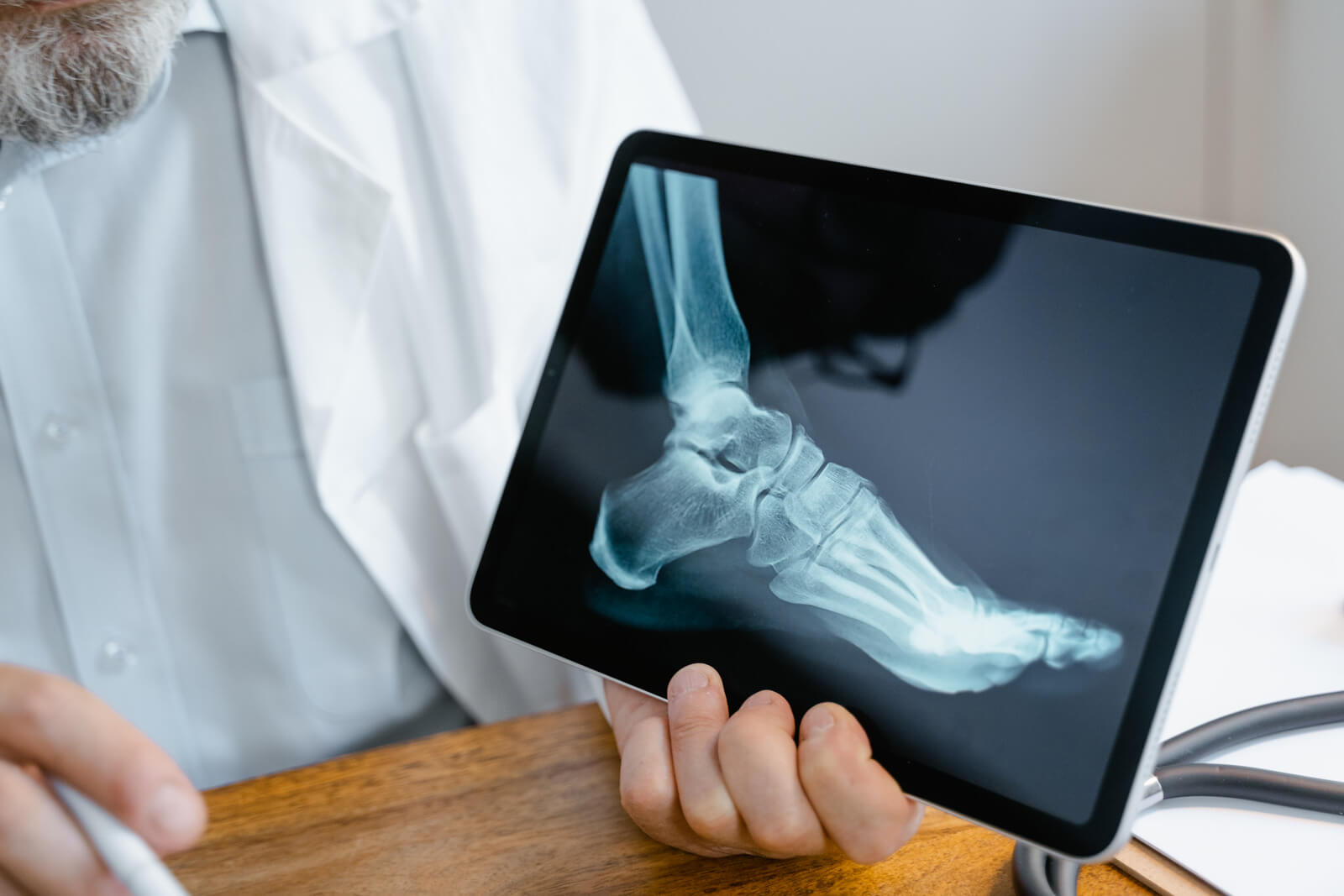
A broken bone, also known as a fracture, can be very painful and traumatic. Even if your fracture occurred in an accident or fall that seemed like an isolated event, it may still indicate a problem with your bone health.
By understanding your present bone health and taking positive steps to improve your condition, we can work together with your family doctor to limit your risk for future fracture and insure your continued quality of life.
OA’s Bone Health Clinic offers personalized assessments, coordinates DXA scans and lab tests, and provides specialized treatment to promote bone health, reduce fracture risk, and accelerate healing. By identifying risk factors early and creating tailored care plans, we aim to help patients maintain strong bones and prevent future fractures.
Building Bone Health for a Healthy Future
Our Bone Health Clinic provides comprehensive care of your bone health.
When referred to our Bone Health Clinic, a DXA bone density scan may be scheduled or reviewed to assess bone mineral density, a key indicator of bone strength. Identifying and treating bone health concerns early can prevent fractures and improve overall outcomes.
We will be treating osteoporosis, osteopenia, fragility fractures, and postop newly recognized, decreased bone quality that may have been evident during surgery. These patients are ideal candidates for treatment aimed at maximizing bone quality and improving their recovery. Additionally, we aim to evolve our care by offering pre-surgical treatments for osteoporosis, particularly before joint replacements or hardware fixation procedures.

What is Osteoporosis and Are You at Risk?
Osteoporosis is a condition where decreased bone density weakens bones, increasing fracture risk. It develops over time, often due to aging, hormonal changes, or nutrient deficiencies, and commonly affects the hips, spine, and wrists. Often called a “silent disease” because it typically develops without symptoms until a fracture occurs. Early diagnosis and management are key to reducing the risk of complications.
Maintaining strong bones is essential for staying active and enjoying life to the fullest. Contact us to learn how we can support your bone health and help you live a healthy, active life.
What is a Fragility Fracture?
Osteoporosis, also known as porous bone, is a silent disease that can affect both men and women at any age, often without symptoms or pain. As bones weaken, even a minor strain, bump, or fall can result in a “fragility fracture” of the spine, hip, wrist, shoulder, or ankle. These fractures can cause significant pain, disability, or even life-threatening complications.
7 Smart Steps to Better Bone Health
- 1. Talk with Your Health Care Provider
Discuss your fracture. Ask Your health care provider if your break may be related to osteoporosis. Seek advice about bone mineral density (BMD) testing (often referred to as a DXA scan). It’s the best way to detect low bone density, and its most extreme form, osteoporosis. Also discuss medications that have been proven effective at minimizing bone loss and/or reducing the risk of future fractures. A number of medications have been approved by the U.S. Food and Drug Administration (FDA) for the treatment of osteoporosis. - 2. Get Adequate Calcium
Everyone needs calcium to maintain strong, healthy bones and muscles. The National institutes of health (NIH) recommends that women over 50 and men over 70 get 1,200 milligrams of calcium per day. If you are not getting enough calcium, you may be able to increase your calcium intake by adding calcium rich foods like milk, cheese, broccoli or almonds. If you do not get enough calcium through your diet and multivitamins, calcium supplements will also work. - 3. Get Adequate Vitamin D
Vitamin D, the “sunshine vitamin,” plays a critical role in helping your body absorb calcium from your digestive system into your bloodstream. The National Osteoporosis Foundation recommends 800-1,000 International Units (IU) of vitamin D per day. Sunshine and vitamin-D fortified foods, like milk, can help you meet your daily quota. Vitamin D supplements are also available and frequently necessary. You can discuss with your healthcare provider which options are best for you. - 4. Get Ample Exercise
Exercise is one of the best ways to preserve bone density and maintain muscle strength. To build and maintain bone density, do weight-bearing and resistance exercise, which make your body move against gravity. Some examples of weight-bearing exercise include: dancing, walking, and using a stationary bike. Resistance exercise to consider include: limited weight lifting, using exercise bands, or rising up and down on your toes to strengthen your bones and maintain muscle strength.
- 5. Prevent FallsYou can reduce your chances of falling and causing a fracture by playing it safe wherever you are.
- Outside your home:
– Wear shoes that offer good traction.
– Be careful about floors that can be slippery.
– Check out curbs before stepping up or down.
– In bad weather, use a cane or walker if you feel unstable. - Inside your home:
– Use nightlights.
– Keep floors clear of clutter.
– Don’t walk around in socks or floppy slippers.
– Keep electrical cords out of the way.
– Use a rubber mat in the shower or tub.
You can also reduce falls by performing activities that boost your balance, flexibility, and strength. Balance is the ability to keep your body stable while moving or standing still. Activities like tai chi, swimming, and stretcing exercises can help.
- 6. Don’t Smoke
Tobacco is toxic to your bones, making you more at risk for low bone mass and osteoporosis. Don’t smoke. Though that’s easier to say than do, investigate programs, medications, and other stop-smoking methods that offer help. - 7. Limit Alcohol Intake
Controlling your alcohol intake can connect you to healthier bones. Drinking heavily can increase bone loss and the risk of sustaining a fragility fracture from a fall. According to the National Osteoporosis Foundation, on average, alcohol intake of 3 or more drinks per day is detrimental to bone health.

Want more information?
Visit or call the National Osteoporosis Foundation: www.nof.org | 1 (800) 231-4222.
The information contained above is not intended to be medical advice. In all cases, The American Orthopaedic Association recommends that you consult your own physician regarding any course of treatment or medication.
©2013 The American Orthopaedic Association